How to Become a Dentist in the UK: A Complete Guide to Dentistry Degrees

A career in dentistry is not only financially rewarding and highly respected, but it also offers the incredible opportunity to improve people’s health, confidence, and quality of life every single day.
If you are considering this path, you might be wondering exactly what it takes to get there. Here at Degree Decisions, we know that mapping out your educational journey can feel overwhelming. That’s why we’ve put together this comprehensive, step-by-step guide on how to become a dentist in the United Kingdom, plus a look at some excellent alternative dental-related degree options.

Step 1: The Prerequisites (GCSEs, A-Levels, and Exams)
The journey to becoming a dentist starts well before university. Dental schools in the UK are highly competitive, and their academic entry requirements reflect that.
GCSEs: Most universities expect a strong set of GCSEs, generally requiring grades 7-9 (A-A*) in subjects like Mathematics, English, and Sciences.
A-Levels: To apply for a dentistry degree, you will typically need AAA or A*AA at A-Level. Chemistry and Biology are almost always mandatory, with the third subject ideally being another science or maths (though some universities accept a wider range of third subjects).
Admissions Tests: Almost all UK dental schools require you to take an admissions test. The most common is the UCAT (University Clinical Aptitude Test). A high UCAT score is essential to secure an interview.
Tip: Alongside your academic grades, universities want to see work experience. Shadowing a local dentist or volunteering in a care setting is highly recommended to make your personal statement stand out!
Step 2: The Dental Degree (BDS or BChD)
To practice dentistry in the UK, you must complete an approved dental degree.
The Course: You will study for a Bachelor of Dental Surgery (BDS) or, at some universities, a Baccalaureus Chirurgiae Dentium (BChD). Both are entirely equivalent.
Duration: The degree typically takes 5 years to complete. (If you already hold a degree in a relevant science, you may be eligible for a 4-year Graduate Entry Dentistry program).
What You’ll Learn: The course is highly intensive. Your early years will focus on medical sciences, anatomy, and oral biology. In your later years, you will spend the majority of your time doing practical, hands-on clinical work with real patients under expert supervision.
Dental Surgery / Dentistry BDS/BChD
Study of oral health, anatomy, and clinical care - combining science, precision, and patient interaction to prepare for a career as a qualified dentist.

Step 3: GDC Registration and Foundation Training
Graduating with your BDS is a massive achievement, but the journey isn't quite over.
GDC Registration: You must register with the General Dental Council (GDC), the regulatory body for dental professionals in the UK. You cannot legally practice without this.
Dental Foundation Training (DFT): To work in the NHS, you must complete one year of Dental Foundation Training. During this year, you will work in an approved dental practice, treating patients and earning a salary while receiving mentorship and continued training.
After this foundation year, you can choose to work as an associate dentist in general practice, buy your own practice, or pursue specialist training (like orthodontics, oral surgery, or endodontics).
Other Dental-Related Degree Options
If a 5-year intensive dentistry degree doesn't feel like the right fit, or if you don't quite meet the entry requirements, don't worry! There are several fantastic, alternative degree paths that allow you to work hands-on in the dental field.
1. Dental Hygiene and Dental Therapy (BSc)
Dental hygienists and therapists play a vital role in oral health. They perform scale and polishes, treat gum disease, take dental X-rays, and (in the case of therapists) can perform routine restorative work like fillings and extracting primary teeth.
Duration: Typically 3 years.
Why choose it? It requires slightly lower A-level grades than dentistry (often BBB or ABB), gets you into the workforce faster, and is a highly in-demand, well-paid profession.
Dental Hygiene & Therapy BSc
Study of oral health and dental care - combining science, hands-on clinical skills, and patient interaction to prepare for a professional role in dentistry.

2. Dental Technology (BSc)
Are you artistic, precise, and interested in healthcare? Dental technologists (or dental technicians) design and create the appliances dentists use, such as crowns, bridges, dentures, and orthodontic braces.
Duration: Typically 3 years.
Why choose it? It is perfect for those who want to work in the dental industry but prefer working in a laboratory setting rather than being directly patient-facing.
Dental Technology BSc
Study of dental appliances, digital design, and dental biomaterials, combining manual craftsmanship with advanced CAD/CAM technology for careers in the laboratory dental industry.
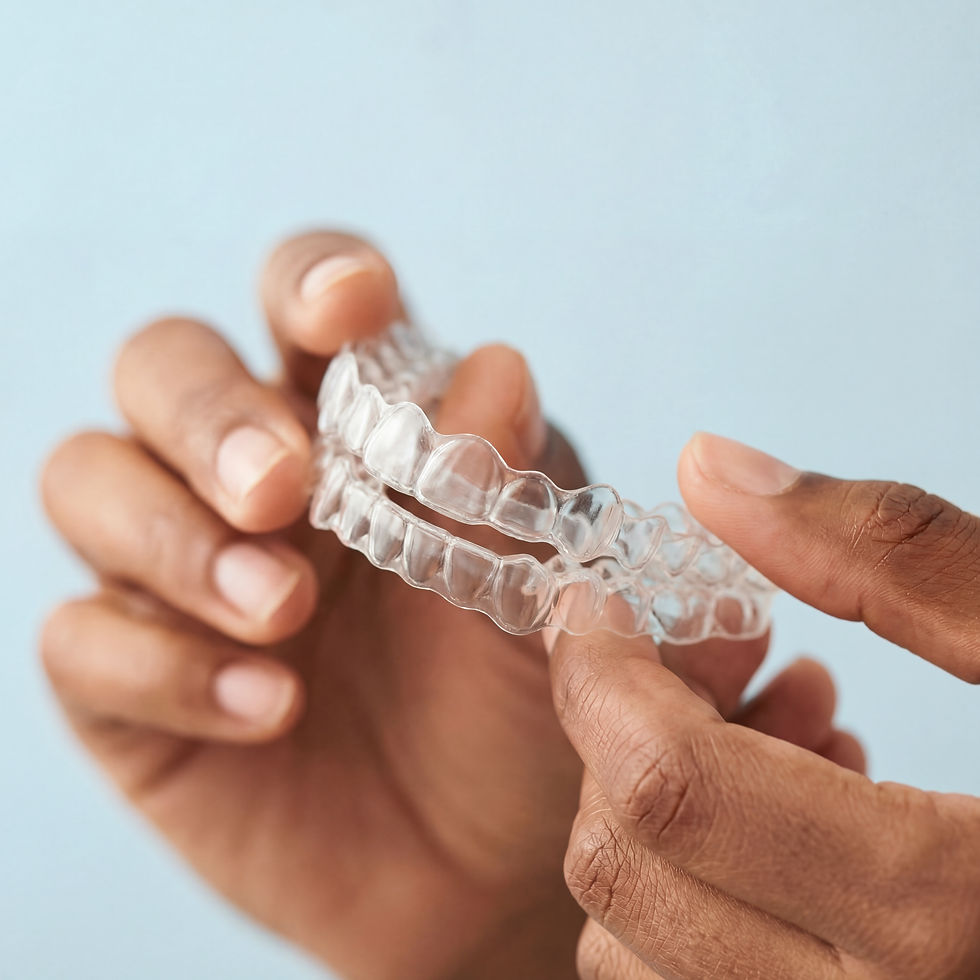
3. Dental Nursing (Foundation Degree or Diploma)
Dental nurses are the right hand of the dentist. They prepare instruments, mix materials, ensure cross-infection control, and comfort patients.
Duration: 1 to 2 years (often done as an apprenticeship or a Foundation Degree).
Why choose it? It is an excellent, accessible entry point into the dental field. Many dental nurses go on to take post-qualification courses in radiography or sedation, or eventually apply to become dental hygienists or therapists.
Making Your Degree Decision
Choosing to pursue dentistry or an allied dental profession is a major commitment, but the reward is a stable, lifelong career where you make a tangible difference.
Are you currently deciding which university is right for you, or wondering which A-Levels to pick? Stick around for more expert guides, university comparisons, and career advice tailored to help you secure your future!


Comments