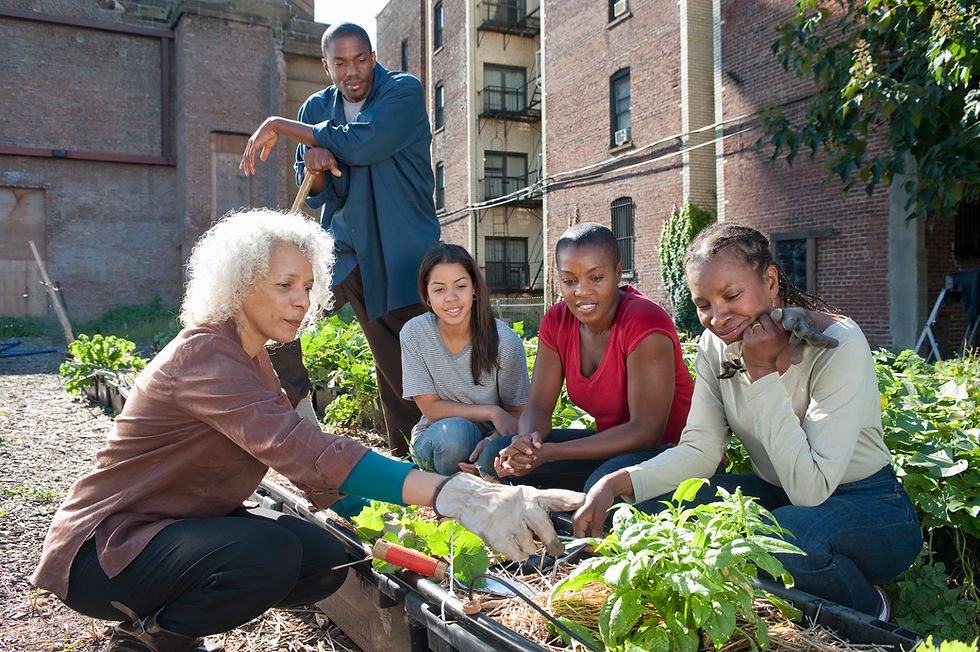
Community Development BA
Learning about how communities develop, organize themselves, and tackle problems — plus how professionals can help people gain power over their own lives, make sure everyone's included, and create positive changes in society.
Is this for you?
This degree could suit you if you:
Want to support communities
Are interested in social change
Enjoy working with people
Want a meaningful career
Are empathetic
Popular Career Fields
Charity & NGO Sector
Government & Public Sector
Healthcare & Public Health
Education
Your Personality Might Be:
Socially conscious
Government & Public Sector
Empathetic
Motivated to help
What is it?
What is a Community Development degree?
Community Development focuses on how individuals, groups, and neighbourhoods can work together to improve their quality of life. It explores the social, economic, and political factors that influence communities, and the practical strategies used to support participation, wellbeing, and social justice.
You will learn how to work alongside communities, understand diverse needs, promote equality, develop grassroots projects, and strengthen local capacity. The degree draws on sociology, social policy, public health, youth work, social justice, and community organising.
It also emphasises collaborative problem-solving, partnership-building, and empowering people to take meaningful action in their own lives.
Why Study Community Development?
If you’re passionate about helping people, promoting fairness, and improving local environments, this degree offers a practical and rewarding route into social change work.
A Community Development degree helps you:
Understand the challenges communities face
Learn how to support individuals and groups to take action
Build strong communication and facilitation skills
Work with diverse and marginalised groups
Explore real issues like poverty, housing, health, and social inequality
Develop confidence in leading community initiatives
It prepares you for careers in public services, charities, local government, grassroots organisations, and social impact roles.

Course Summary
Learning about how communities develop, organize themselves, and tackle problems — plus how professionals can help people gain power over their own lives, make sure everyone's included, and create positive changes in society.
What you'll study
This course might include modules based on:
Community development theory, social justice, and empowerment
Working with diverse and marginalised groups
Project planning, leadership, and community organising
Public health, wellbeing, and social inequality
Partnership-building with local agencies and voluntary organisations
Safeguarding, ethics, and professional practice
Skills You'll Gain
A Community Development degree helps you build:
Communication and active listening – enabling you to build trust and support individuals effectively.
Community organising and leadership – helping you mobilise groups and guide community-led initiatives.
Inclusive practice and cultural awareness – supporting diverse communities with sensitivity and respect.
Project planning and evaluation – designing, delivering, and assessing community-based programmes.
Research and analytical skills – gathering evidence to understand community needs and inform action.
Pathways, Placements and Work Experience
CAREERS
Career Pathways
Graduates commonly work in:
Community development and engagement
Youth work and family support
Housing, neighbourhood, and regeneration teams
Public health and wellbeing services
Advocacy and social justice organisations
Charities, NGOs, and social enterprises
Education and outreach roles
Work Experiences & Placements
Most programmes include placements with:
Charities and voluntary sector organisations
Youth and family support services
Local authorities and housing teams
Health and wellbeing projects
Social justice and advocacy groups
Refugee, migrant, or cultural organisations
These experiences help build practical skills and strengthen employability.
Salary Profile
Coming soon
Qualifications, Personal Satement, What to do Next?
AM I ELIGIBLE?
Entry Requirements
A-levels or equivalent. Most universities accept a broad range of subjects. Sociology, Politics, Psychology, Geography, Health & Social Care, or English are beneficial.
Personal Statement Tips
Show passion for supporting communities and promoting equality.
Reflect on volunteering, youth work, activism, or charity involvement.
Mention social issues that interest you — inequality, housing, mental health, migration, etc.
Highlight communication, empathy, collaboration, and leadership skills.
What to do Next
Compare universities based on placement opportunities and specialisms.
Attend open days or virtual sessions.
Gain experience through volunteering with local organisations.
Read about social justice, community empowerment, and social policy.


Wider Reading
Community Development in Action – Margaret Ledwith: A practical guide to inclusive, grassroots work.
Pedagogy of the Oppressed – Paulo Freire: Foundational ideas on empowerment and critical consciousness.
The Spirit Level – Wilkinson & Pickett: How inequality affects communities and wellbeing.
The Art of Community – Charles Vogl: Insights into building belonging and meaningful group connections.