
Multimedia Journalism BA
Study of how to tell stories across multiple media platforms - combining writing, video, audio, and digital production for a career in journalism, broadcasting, or content creation.
Is this for you?
This degree could suit you if you:
Enjoy writing and storytelling
Are interested in news and current events
Like working across digital platforms
Want a career in journalism
Are curious and detail-oriented
Popular Career Fields
Journalism & Publishing
Digital Media & Technology
Media & Broadcasting
Advertising & Marketing
Your Personality Might Be:
Multi-platform thinker
Digital Media & Technology
Tech-savvy
Deadline-focused
What is it?
What Is a Multimedia Journalism Degree?
Multimedia Journalism explores how journalism works in a digital world. You’ll learn to research, write, and report stories using text, video, audio, and social media, while developing technical and creative skills suited to modern newsrooms and online audiences.
Why Study Multimedia Journalism?
If you enjoy writing, filming, editing, or storytelling online, this degree gives you the tools to turn ideas into impactful content. It’s ideal for students who want to work in fast-moving media environments, blending creativity with technology and communication.
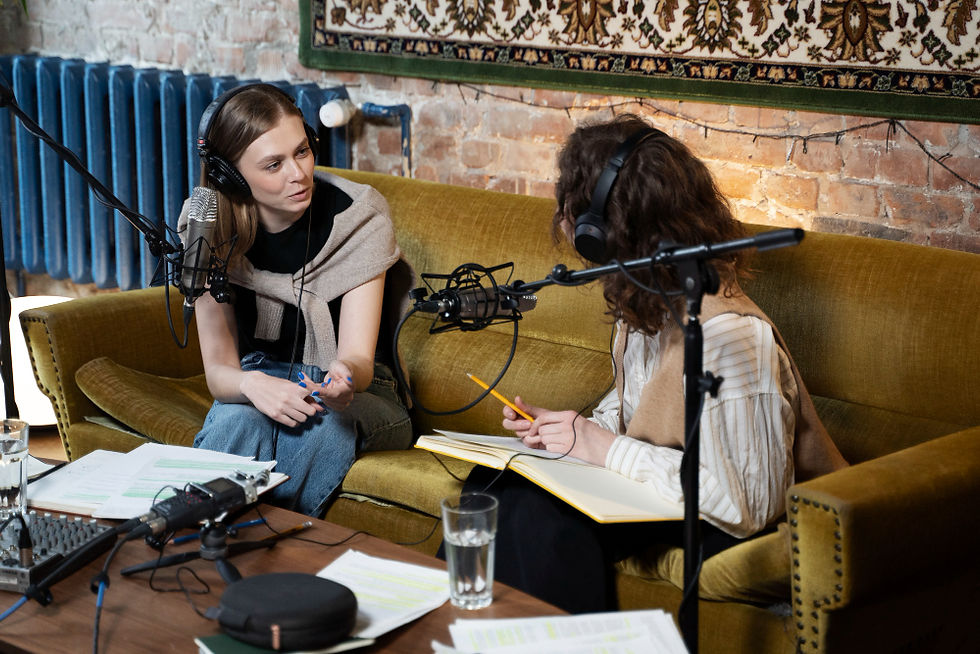
Course Summary
Study of how to tell stories across multiple media platforms - combining writing, video, audio, and digital production for a career in journalism, broadcasting, or content creation.
What you'll study
Most Multimedia Journalism degrees cover:
News writing and reporting
Digital storytelling and production
Video and audio editing
Social media and online journalism
Media law and ethics
Photography and visual communication
Investigative and feature journalism
Later in your degree, you can specialise in areas such as documentary production, data journalism, sports media, or podcasting.
Skills You'll Gain
A Multimedia Journalism degree helps you build creative, technical, and professional skills, which might include:
Cross-Platform Reporting – producing news for online, print, broadcast, and social media.
Digital Production Skills – filming, recording, editing, and publishing multimedia content.
Interviewing Techniques – gathering strong quotes and insights from sources and experts.
Data & Investigative Research – using digital tools to research, fact-check, and verify information.
Storytelling & Writing – crafting clear, compelling stories tailored to different audiences and platforms.
Pathways, Placements and Work Experience
CAREERS
Career Pathways
After graduation, you can work in:
Journalism and broadcasting
Digital and social media content creation
Public relations and communications
Marketing and creative production
Work Experiences & Placements
Many universities offer placements or collaborations with media outlets such as:
News websites and online magazines
TV, radio, and digital broadcasters
PR and content agencies
Multimedia production companies
Placements help you build a portfolio and make professional contacts in the media industry.
Salary Profile
Coming soon
Qualifications, Personal Satement, What to do Next?
AM I ELIGIBLE?
Entry Requirements
A-levels or equivalent. Most universities accept a broad range of subjects. English, Media Studies, Politics, History, Sociology, or Computing are beneficial.
Personal Statement Tips
Explain why you enjoy storytelling and digital creativity.
Mention any experience in blogging, filming, podcasting, or social media.
Highlight creativity, curiosity, and technical skills.
Show understanding of how journalism connects people and information.
What to do Next
Create your own blog, podcast, or YouTube channel.
Volunteer for school or community media projects.
Attend open days to explore studios and digital facilities.
Keep up with online news, video trends, and digital storytelling.


Wider Reading
Multimedia Journalism: A Practical Guide by Andy Bull – Essential reading for students and new journalists.
The Online Journalism Handbook by Paul Bradshaw – Understanding journalism in the digital age.
Telling True Stories by Mark Kramer and Wendy Call – Insights into powerful storytelling.
Blur: How to Know What’s True in the Age of Information Overload by Bill Kovach and Tom Rosenstiel – On truth and responsibility in modern media.