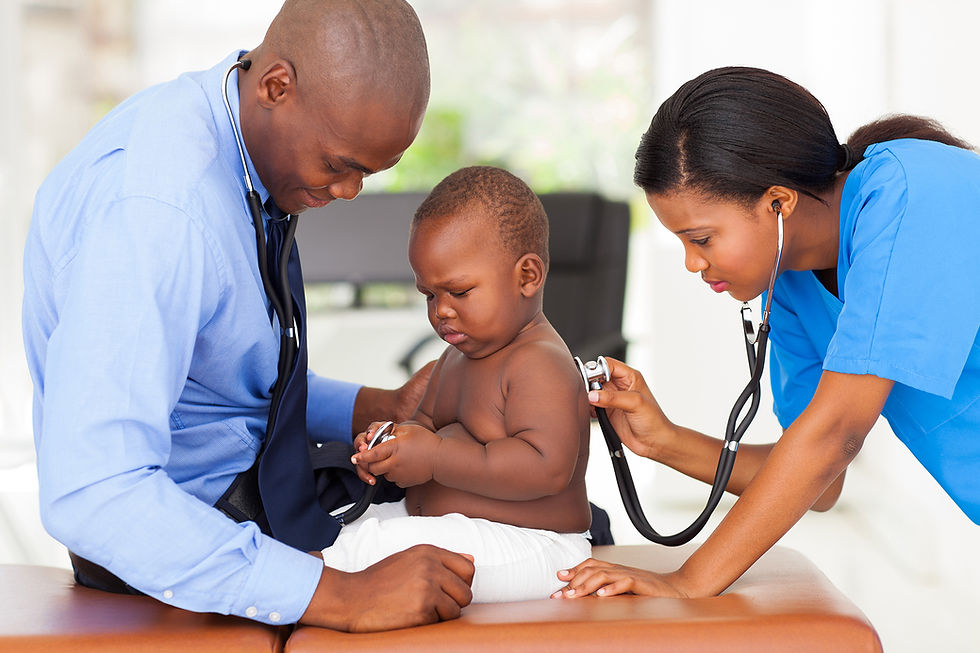
Nursing (Children's) BSc/BN/BNurs
Study of caring for babies, children, and young people - combining science, compassion, and clinical practice to prepare for a career as a children’s nurse.
Is this for you?
This degree could suit you if you:
Enjoy working with children
Want a healthcare career
Are caring and patient
Like practical work
Are empathetic
Popular Career Fields
Healthcare & Public Health
Government & Public Sector
Private Healthcare
Research & Academia
Your Personality Might Be:
Child-centered
Government & Public Sector
Advocate for children
Emotionally resilient
What is it?
What Is a Children’s Nursing Degree?
Children’s Nursing focuses on the physical, emotional, and developmental care of patients from birth to young adulthood. You’ll learn how to support children through illness and recovery, while working closely with families and healthcare teams.
Why Study Nursing (Children’s)?
If you enjoy helping others, communicating with children, and working in a hands-on, team-based environment, this degree offers a rewarding career. You’ll play a vital role in supporting children through some of the most important moments in their lives.

Course Summary
Study of caring for babies, children, and young people - combining science, compassion, and clinical practice to prepare for a career as a children’s nurse.
What you'll study
Most Children’s Nursing degrees cover:
Anatomy, physiology, and child development
Acute and chronic illness in children
Growth, nutrition, and health promotion
Communication and family-centred care
Pharmacology and medication safety
Evidence-based practice and research
Safeguarding and child protection
Later in your course, you might specialise in areas such as neonatal care, paediatric oncology, intensive care, or community nursing.
Degree Type
BSc (Bachelor of Science), BN (Bachelor of Nursing), or BNurs (Bachelor of Nursing Science) - all lead to registration as a Children’s Nurse with the Nursing and Midwifery Council (NMC).
Skills You'll Gain
Children’s Nursing develops both clinical and interpersonal skills, which could include:
Paediatric Assessment – monitoring growth, vital signs, and developmental milestones in infants and children.
Family-Centred Care – supporting parents and caregivers as partners in the child’s treatment.
Communication with Children – adapting language and approach for different ages and needs.
Clinical Skills for Paediatrics – administering medicines, treatments, and procedures safely for children.
Managing Acute & Long-term Conditions – caring for children with injuries, chronic illnesses, or complex health needs.
Pathways, Placements and Work Experience
CAREERS
Career Pathways
After graduation, you’ll be eligible to register as a Children’s Nurse with the NMC.
You can work in settings such as:
NHS hospitals and community services
Children’s hospices and specialist clinics
Schools and public health organisations
Charities and international healthcare programmes
Work Experiences & Placements
All Nursing (Children’s) degrees include clinical placements, which may take place in:
Children’s wards and hospitals
Neonatal or paediatric intensive care units
GP surgeries and community clinics
Schools, hospices, and home care services
Placements give you practical experience and help you develop confidence working with children and families.
Salary Profile
Coming soon
Qualifications, Personal Satement, What to do Next?
AM I ELIGIBLE?
Entry Requirements
A-levels or equivalent including at least one Science (Biology, Chemistry, Psychology, or Sociology preferred). Some universities accept a broad range of subjects.
Personal Statement Tips
Explain why you want to work with children and young people.
Mention any volunteering, babysitting, or work experience in healthcare or education.
Highlight your empathy, communication, and teamwork skills.
Show understanding of the challenges and rewards of nursing.
Interviews or selection days often include group discussions, written tasks, and values-based questions.
What to do Next
Volunteer or work with children in care, schools, or youth organisations.
Attend open days to explore placements and speak with nursing staff.
Learn about NHS values and the NMC Code of Practice.
Read about children’s health and wellbeing to understand current challenges.


Wider Reading
The Language of Kindness by Christie Watson – Reflections from a nurse on compassion and care.
The Secret Life of a Children’s Nurse by Sarah Litt – Honest and heartwarming stories from the paediatric ward.
Your Child’s Health by Barton D. Schmitt – A guide to understanding childhood illness and development.
Notes on Nursing by Florence Nightingale – A classic introduction to the principles of nursing.