
Bodywork / Panel Beater
The invisible repair is the goal and the standard. A panel repair is only truly successful when no trace of it remains. Achieving that level of finish consistently, on every panel, on every vehicle, regardless of the original damage, is what defines a skilled panel beater. Clients, insurers, and employers all judge your work by this standard.
What is it?
A Bodywork Technician, commonly known as a Panel Beater, is a skilled tradesperson who repairs, reshapes, and restores the structural and cosmetic bodywork of vehicles damaged by collision, corrosion, or general wear. The work ranges from minor dent removal and cosmetic repairs to the full structural reconstruction of severely accident-damaged vehicles.
It is a trade that combines the precision of engineering with the eye of an artist. A Panel Beater needs to understand the structural behaviour of steel, aluminium, and composite materials, work with specialist tools and equipment to reshape metal to original specification, and produce results so seamless that no trace of the original damage remains. When the job is done properly, it is invisible. That invisibility is the mark of genuine skill.
It is also a trade evolving rapidly. Modern vehicles use an increasingly complex range of materials including ultra-high-strength steel, aluminium alloys, carbon fibre, and plastic composites, all joined by a growing variety of techniques including adhesive bonding, riveting, and laser welding alongside traditional MIG welding. Panel beaters who keep their skills current with these new materials and techniques are in strong demand from bodyshops, dealers, and specialist restorers.
What would you actually do?
Depending on your specialism and employer, you could be:
Assessing accident damage and producing repair estimates
Straightening and reshaping damaged body panels using pulling equipment, hammers, and dollies
Removing and replacing panels that are beyond economic repair
Welding panels using MIG, spot, and resistance welding techniques
Working with aluminium and composite panels using specialist repair techniques
Operating computerised chassis and body alignment systems
Repairing plastic bumpers and trim components
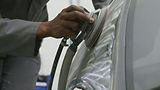
Preparing repaired surfaces for paint, including filling, shaping, and sanding
Working alongside vehicle paint sprayers to deliver a complete repair
Carrying out structural repairs to safety-critical components including sills, floor pans, and pillars
Removing and refitting mechanical, electrical, and trim components to access bodywork
Using ADAS (Advanced Driver Assistance Systems) calibration equipment after structural repairs
Restoring classic and vintage vehicles to original condition
ADAS calibration is becoming a significant part of the repair process. Modern vehicles carry cameras, radar sensors, and lidar systems that support lane keeping, automatic emergency braking, and other safety features. After any structural repair that might affect sensor alignment, these systems must be recalibrated. Understanding this requirement and ensuring it is carried out correctly is increasingly part of the panel beater's professional responsibility.
Career Paths
Accident repair bodyshop - the most common working environment, repairing vehicles damaged in road traffic accidents for insurance companies, fleet operators, and private customers. A structured environment with clear processes and consistent workflow.
Main dealer bodyshop - working within a franchised dealer group, repairing vehicles of a specific manufacturer to brand standards and using approved repair methods. Often more structured training and manufacturer-specific equipment.
Independent bodyshop - working in a smaller independent repair business with a broader range of vehicles and a more varied workflow. Often a closer team environment and wider range of repair types.
Classic and heritage vehicle restoration - repairing and restoring classic, vintage, and historic vehicles to original specification using traditional metalworking techniques. A deeply skilled and respected specialism for those with a passion for older vehicles.
Aluminium specialist - working specifically with aluminium-bodied vehicles including premium brands such as Jaguar, Land Rover, and Audi. Requires specialist training and dedicated equipment, and commands premium rates.
Mobile dent repair technician - carrying out paintless dent removal and minor cosmetic repairs at the customer's location. A growing and flexible specialism requiring specialist tools and strong diagnostic skill.
Vehicle paint preparation - a closely related role focusing specifically on surface preparation, filling, and priming before the vehicle goes to the spray painter. Often the first stage of a bodywork career.

Is it right for you?
You might suit panel beating if you:
Have a genuine interest in vehicles and how they are constructed
Take satisfaction in restoring something damaged to its original condition
Have a good eye for shape, line, and surface quality
Are methodical and patient, understanding that rushing bodywork produces visible results
Are comfortable working with a range of tools, equipment, and materials
Take pride in work that is invisible when done correctly
Want a trade with strong self-employment potential in specialist restoration and mobile repair
It might not suit you if you need immediate visible results from your work. Panel beating requires sustained, careful effort over hours or days before the finished result becomes apparent. The satisfaction is real, but it is delayed.
Insurance work dominates accident repair but is not the only revenue stream. Main dealer warranty work, fleet operator contracts, and private customer work all contribute to a well-run bodyshop's income. Bodyshops that are not entirely dependent on insurance work tend to have greater pricing flexibility and stronger margins.
Skills you will build
Damage assessment and repair planning
Panel straightening using pulling systems, body hammers, and dollies
MIG welding, spot welding, and resistance welding for panel joining
Aluminium repair techniques including cold stitching and specialist welding
Composite and plastic repair techniques
Body filler application and shaping to achieve perfect surface profiles
Surface preparation for paint, including primer application and flatting
Chassis and body alignment using computerised measuring systems
ADAS calibration awareness after structural repairs affect sensor positions
Component removal and refitting, including bumpers, glass, and trim
Classic vehicle metalwork, including lead loading and traditional repair techniques
Estimating and damage assessment for insurance and private work

How do you get in?
Apprenticeship - a Vehicle Damage Panel Technician apprenticeship at Level 3 is the most widely respected route. Takes around three years and combines bodyshop experience with college attendance. Many apprenticeships are offered by accident repair groups, main dealer bodyshops, and independent repairers.
College course - a Level 2 or Level 3 Diploma in Vehicle Body Repair provides the core skills and knowledge. A good foundation before moving into employment, particularly for those who want to build confidence with tools and materials before working on customers' vehicles.
Direct entry - some bodyshops take on enthusiastic school leavers as bodyshop assistants or prep technicians and develop their skills on the job. Starting in paint preparation, panel removal, or general bodyshop support and progressing into repair work is a common and respected pathway.
Classic vehicle restoration route - a small number of specialist restoration workshops take on trainees interested specifically in heritage and classic vehicle work. This route requires a demonstrable passion for older vehicles and traditional metalworking techniques.
Looking after your hearing and respiratory health matters in this trade. Bodyshop work involves sustained exposure to noise from power tools and grinders, and to dust and fumes from sanding, welding, and filling. Using appropriate PPE consistently from the beginning of your career protects your health and ensures a longer, more comfortable working life.

Qualifications to know about
Level 2 Diploma in Vehicle Body Repair - the core entry qualification covering panel straightening, welding, and surface preparation
Level 3 Diploma in Vehicle Body Repair - for those progressing to complex structural repairs, aluminium, and composite work
IMI (Institute of the Motor Industry) qualifications - the industry's awarding body; IMI-accredited qualifications are widely recognised across the bodyshop sector
ATA (Automotive Technician Accreditation) in Body Repair - a voluntary professional accreditation demonstrating competence and valued by employers and insurers
Manufacturer approved repairer training - brand-specific training programmes offered by manufacturers including Jaguar Land Rover, BMW, Volkswagen Group, and others, required for working on vehicles covered by manufacturer repair warranties
Aluminium repair qualifications - specialist training required before working on aluminium-intensive vehicles; increasingly important as aluminium use in vehicle construction grows
ADAS calibration awareness training - increasingly important as modern vehicles carry more camera, radar, and sensor systems that must be recalibrated after structural repairs
CSCS Card - relevant for those working in bodyshop environments within larger construction or fleet management sites
MIG welding qualifications - formal welding certification supporting bodyshop welding competence
What can you earn?
Apprentice: Around £10,000 to £16,000 per year
Qualified panel technician: Around £26,000 to £34,000 per year
Experienced technician: £32,000 to £45,000 per year
Specialist or master technician: £42,000 to £58,000+ per year
Self-employed or own bodyshop: Highly variable, from £35,000 to well over £65,000 depending on specialism, location, and reputation
Panel beating earnings are significantly influenced by specialism and working arrangement. Many bodyshops use a flat rate system where technicians are paid per hour of work completed rather than hours clocked. Fast, accurate technicians earn more than slower ones under this system. Aluminium specialists and manufacturer-approved repairers command higher rates. Classic vehicle restoration at the high end, particularly for significant historic or collector vehicles, commands premium pricing that bears little relationship to standard accident repair rates.
What could it lead to?
Senior panel technician or workshop supervisor in an accident repair centre
Aluminium and composite repair specialist working on premium vehicles
Classic and heritage vehicle restorer working on historically significant cars
Mobile dent repair and paintless dent removal technician
Bodyshop estimator assessing damage and producing insurance repair estimates
Bodyshop manager overseeing a team of panel and paint technicians
Manufacturer approved repairer working to brand-specific standards
Vehicle damage assessor working for an insurance company
Your own independent bodyshop or specialist restoration business
The invisible repair is the goal and the standard. A panel repair is only truly successful when no trace of it remains. Achieving that level of finish consistently, on every panel, on every vehicle, regardless of the original damage, is what defines a skilled panel beater. Clients, insurers, and employers all judge your work by this standard.