
Learning how to capture, edit, and present images creatively using cameras and digital techniques.
A Level
Photography
Quick Summary
Heavy coursework – About 80% coursework portfolio, 20% written analysis
Own equipment – A decent camera (DSLR, mirrorless, or high-quality phone) is essential
Time intensive – Photography coursework requires planning shoots, taking hundreds of photos, editing, printing, and mounting
What's it actually like?

IN A NUTSHELL
A-Level Photography is almost entirely coursework-based. You'll develop portfolios of photographic work exploring different themes, styles, and techniques. You'll research photographers, experiment with composition and lighting, develop personal projects, and create final pieces.
You'll typically complete a personal investigation (60% - exploring themes over time) and an externally set assignment (40% - responding to exam board themes). Both require research, experimentation, refinement, and written analysis.
It's about 80% practical photography and 20% written analysis of your own work and others' work.
Photography suits people who want to develop as visual artists and communicators.

You need your own equipment: A decent camera (DSLR, mirrorless, or high-quality phone camera) is essential. Schools have some equipment, but you'll need your own for homework and independent projects.
About the course
Is this for you?
Camera skills and techniques
You'll learn how to use a camera properly, control settings like aperture, shutter speed, and ISO, and compose effective images.
Styles and influences
You'll explore different types of photography, such as portrait, landscape, documentary, and experimental photography. You'll study the work of photographers and artists and use their ideas to influence your own projects.
Creating your portfolio
A large part of the course is creating coursework projects. You'll plan ideas, take photos, edit and improve them using software like Photoshop, and present your work in a portfolio with written explanations of your choices.
Assessment
Assessment is based on coursework and a final exam project. Overall, Photography is about developing your technical skills, creativity, and ability to communicate ideas through images.
Photography is a good choice if you:
Genuinely love photography and taking photos
Want to develop your creative vision and technical skills
Are willing to spend significant time planning, shooting, and editing
Enjoy experimenting and don't mind when shots don't work out
Can work independently on long-term projects
Are interested in photography as art, not just taking nice pictures
Want to understand the theory and context behind photography
Can meet deadlines whilst managing substantial coursework
Creative vision - Developing your own artistic style and visual voice.
Technical photography skills - Understanding composition, lighting, exposure, depth of field, and camera settings.
Digital skills - Using editing software (Photoshop, Lightroom) to refine images.
Research & analysis - Studying photographers and photographic movements to inform your work.
Project management - Planning, executing, and refining long-term creative projects.
Visual communication - Using images to express ideas, emotions, and narratives.
It's time-intensive: Photography coursework requires planning shoots, taking hundreds of photos, editing, printing, and mounting. Budget significant time.
Software matters: You'll likely need access to Photoshop or Lightroom. Schools often provide this, but check. Editing is a major component.
It's not just "taking photos": You'll research photographers, understand art history, write about your process, and critically evaluate your work.
Coursework pressure is constant: Unlike subjects with final exams, Photography is ongoing coursework throughout two years. You need consistent work ethic.
Some universities don't rate it highly: Very competitive universities sometimes see Photography as less rigorous. Combine it with more traditional academic subjects if keeping top university options open.
You need genuine creative drive: Your teachers guide you, but the creative vision must come from you. If you need step-by-step instructions, this will be challenging.
Photography + Art + Graphics = Full creative focus
Photography + English + Media = Creativity with analytical skills
Photography + History + English = Balanced with traditional academicsPhotography rewards experimentation and personal vision. Here's how to succeed:
Shoot constantly – Take photos every day, not just for coursework. Carry your camera everywhere. The more you shoot, the better your eye becomes. Experiment with different subjects and styles.
Study photographers deeply – Don't just copy their style. Understand WHY photographers like Cartier-Bresson, Annie Leibovitz, or Steve McCurry made their choices. Let their work inspire but not dictate yours.
Master editing software – Learn Photoshop or Lightroom properly. Watch tutorials, experiment with tools, understand layers and adjustments. Editing can transform good photos into great ones.
Document your process thoroughly – Keep detailed annotations of your ideas, experiments, influences, and developments. This documentation is crucial for assessment and shows your thinking.
Photography graduates work as:
Photographers (commercial, fashion, editorial, wedding, portrait)
Photo editors
Gallery curators
Art directors
Media producers
And in many creative roles.
Photography is valued by universities. Universities recognize the creativity, technical skills and visual communication it develops.
Photography A-Level opens doors to degrees in:
Photography
Fine Art
Graphic Design
Fashion Photography
Film and Television Studies
Media Production
Visual Communication
Top tip: A strong portfolio is essential for creative degrees - your Photography A-Level work will form the foundation of this. Many universities want to see your creative process, not just finished images.
Ask yourself:
Do I already take photos regularly and enjoy it?
Am I willing to invest in equipment and software?
Can I work independently on long-term creative projects?
Do I enjoy experimenting and refining my work?
Am I interested in photography as art, not just documentation?
Can I handle constant coursework rather than final exams?
Broader application: Visual literacy and creative thinking are valuable across design, marketing, media, and many industries.
All A Levels
Scroll
Arabic

Developing the ability to understand, speak, read, and write Arabic fluently while exploring Arabic culture and society.
Art & Design (Art, Craft & Design)

Exploring and creating work across a wide range of art, craft, and design materials and techniques.
Art & Design (Fine Art)

Exploring and creating ideas using a range of artistic and creative skills and materials.
Art & Design (Graphic Communication)

Designing visual ideas using creativity, typography, images, and digital tools to communicate messages.
Art & Design (Textile Design)
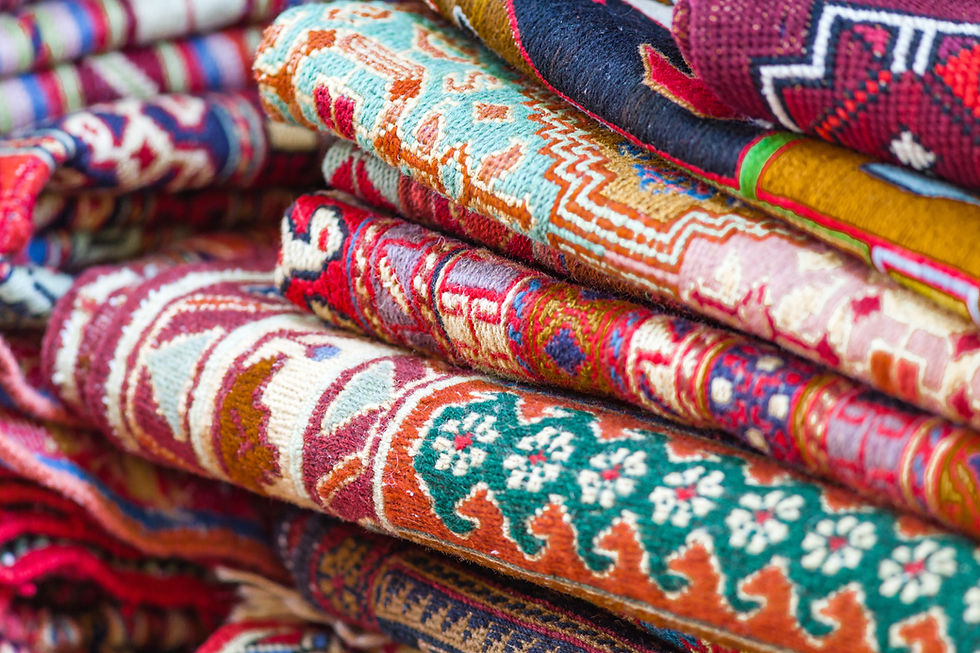
Designing and creating original fabric-based work using creative techniques, materials, and textile processes.
Art & Design (Three-dimesional Design)

Designing and making three-dimensional objects using a range of materials, tools, and creative techniques.
Biology

Understanding how living organisms work, from cells and enzymes to genetics, ecosystems, and human biology, using experiments and evidence.
Business Studies

Understanding how businesses operate, make decisions, and compete in a changing economic and global environment.
Chemistry

Understanding how substances are structured, how they react, and how to calculate and explain chemical changes using theory and experiments.
Classical Civilisation

Explores the literature, history, and culture of ancient Greece and Rome while developing strong skills in analysis, interpretation, and essay writing.
Computer Science

Learning how computers work and how to design, write, and analyse programs and algorithms to solve problems.

Drama & Theatre

Studying plays through both performance and analysis, combining acting, staging, and written evaluation of theatre.
Economics

Understanding how individuals, businesses, and governments make choices about money, resources, and the economy.
English Language & Literature

Studying how writers use language and literary techniques to create meaning across fiction, drama, poetry, and non-fiction texts.
English Literature

Understanding how stories, plays, and poems communicate ideas about life and society.
Environmental Science

Explores how natural systems work, how humans affect the environment, and how environmental problems can be managed and solved.
Film Studies

Considering A-Level Film Studies? This guide will help you figure out if studying cinema as an art form is right for you.
French

Developing the ability to understand, speak, read, and write French fluently while exploring French culture, society, and literature.
Further Mathematics

Studying advanced and challenging mathematics that goes beyond A-Level Maths, focusing on deep problem-solving and abstract thinking.
Geography

Understanding how the Earth’s physical processes and human activity shape places, environments, and the way people live.
German

Developing the ability to understand, speak, read, and write German fluently while exploring German-speaking culture and society.
History

Understanding how and why the past happened by analysing events, people, and sources and building written arguments.

Italian

Developing the ability to understand, speak, read, and write Italian fluently while exploring Italian culture, society, and literature.
Japanese

Considering A-Level Japanese? This guide will help you figure out if studying the language of anime, manga, and Japanese culture is right for you.
Latin

Reading and analysing Latin texts while learning the language and exploring Roman culture and history.

Mandarin Chinese

Developing the ability to understand, speak, read, and write Mandarin Chinese fluently while exploring Chinese culture and society.
Mathematics

Understanding how numbers, symbols, and graphs are used to solve problems and explain the world.
Media Studies

Studying how media is created, analysed, and used to communicate ideas and influence audiences.
Modern Foreign Language

Develops your ability to speak, understand, read, and write a foreign language fluently while exploring the culture, society, and history of countries where it is spoken.
Music

Develop your skills in performing, composing, and analysing music across different styles while building a deeper understanding of how music works.
Music Technology

Focuses on recording, producing, and creating music using professional software and studio techniques while studying how music is made and processed.
Philosophy

Exploring big questions about reality, knowledge, and morality through logic, arguments, and critical thinking.
Photography
Learning how to capture, edit, and present images creatively using cameras and digital techniques.
Physical Education

Combining practical sport performance with the study of the science, psychology, and social factors behind physical activity.
Physics

Understanding how the universe works, from forces and energy to particles, waves, and motion, using maths and experiments.
Politics

Understanding how power, government, and political ideas shape how countries are run and how decisions are made.

Religious Studies

Develops your understanding of religion, philosophy, and ethics while building strong skills in analysis, evaluation, and written argument.
Sociology

Understanding how society works and how social forces shape people’s lives, behaviour, and opportunities.
Spanish

Developing the ability to understand, speak, read, and write Spanish fluently while exploring Spanish-speaking culture and society.

Common A Level combinations
This A Level pairs well with:
Popular A Level combinations
Photography + Art + Graphics = Full creative focus
Photography + English + Media = Creativity with analytical skills
Photography + History + English = Balanced with traditional academics