
Quick Summary
Heavy coursework – About 80% coursework portfolio, 20% written analysis
Range of techniques – Printing, dyeing, weaving, embroidery, appliqué, digital textile design, fashion
Practical & creative – You'll design patterns, create fabrics, develop fashion pieces, and explore textile art
What's it actually like?
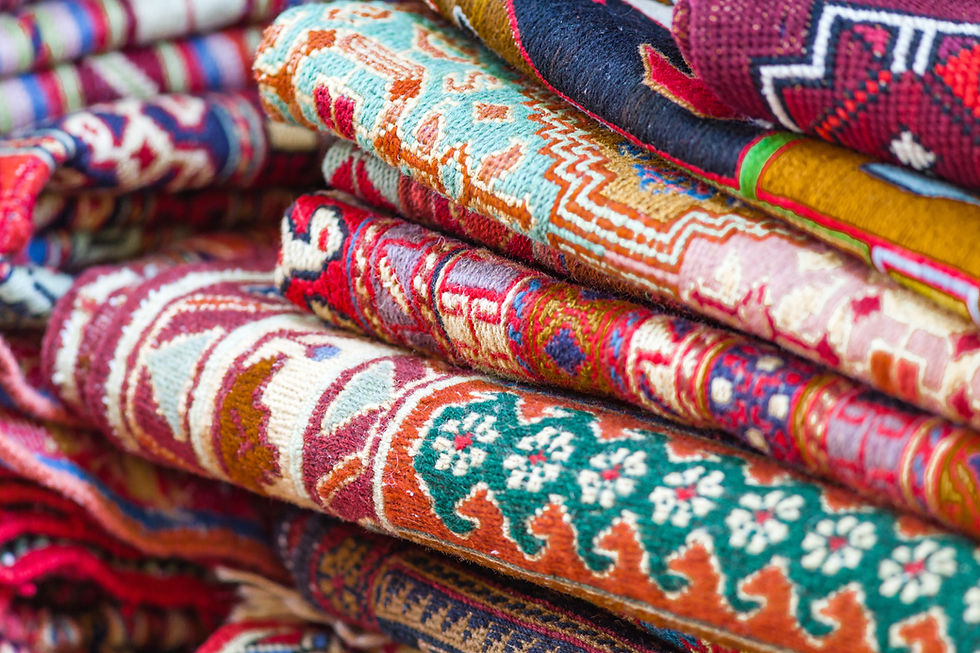
IN A NUTSHELL
A-Level Textile Design is almost entirely coursework-based. You'll develop portfolios exploring textiles through various techniques including surface pattern design, fabric manipulation, printing, dyeing, embroidery, weaving, fashion design, and mixed media textile art.
You'll research textile designers and fashion designers, experiment with different materials and processes, develop design ideas, and create final textile pieces or fashion garments. Projects might include designing fabric patterns, creating wearable pieces, producing decorative textiles, or developing fashion collections.
You'll typically complete a personal investigation (60% - exploring themes and developing textile skills over time) and an externally set assignment (40% - responding to exam board starting points). Both require research, experimentation, sampling, and final outcomes.
It's about 80% practical textile work and 20% written analysis and annotation.
Textile Design spans fashion, interior textiles, and textile art – you can explore the areas that interest you most.

You need creative independence: Teachers guide you, but YOU must generate ideas, make design decisions, and develop your own textile style.
About the course
Is this for you?
A-Level Textile Design is a creative, practical subject focused on working with fabrics and materials. You will explore techniques such as stitching, embroidery, printing, dyeing, weaving, and fabric manipulation, as well as some digital design.
You will work on design projects based on themes or briefs. These involve researching ideas, drawing and designing patterns, experimenting with materials and techniques, and creating finished textile pieces such as garments, panels, or decorative outcomes.
You will also study the work of textile designers, fashion designers, and artists to inspire your own work. You will learn how to analyse their styles and use their ideas to develop and improve your own designs.
Assessment is mainly through coursework and a final exam project. Overall, Textile Design is about combining creativity, practical skills, and design thinking to produce original fabric-based work.
Textile Design is a good choice for you if you:
Love working with fabrics, patterns, and textiles
Are interested in fashion, textile art, or surface pattern design
Ennjoy both hand-craft techniques and digital design
Are willing to experiment with different materials and processes
Can work independently on long-term creative projects
Are interested in how textiles are used in fashion, interiors, and art
Want to develop technical skills alongside creativity
Can meet deadlines whilst managing substantial coursework
Technical techniques - Proficiency in printing, dyeing, embroidery, weaving, appliqué, batik, and other textile processes.
Pattern design - Understanding colour, composition, repeat patterns, and visual design for textiles.
Fashion consturction - Basic sewing skills, pattern cutting, and garment construction (if you choose fashion direction).
Digial design - Using design software (Photoshop, Illustrator) for textile pattern design and digital printing.
Research and development - Studying textile designers and fashion designers to inform your work.
Creative problem-solving - Working through technical challenges with materials and processes.
You need to buy materials: Fabrics, threads, dyes, printing materials, and haberdashery supplies cost money. Schools provide some basics, but you'll need additional materials for your projects.
It's time-intensive: Textile work is labour-intensive – designing, sampling, printing, dyeing, stitching, constructing. Hand processes take significant time.
Some sewing ability helps: While you don't need to be expert, basic hand and machine sewing skills are useful. You'll develop them, but starting with some ability helps.
Digital skills matter: Many textile designers now use digital tools for pattern design and digital printing. Software skills (Photoshop, Illustrator) are increasingly important.
It's not just making things: You'll research textile and fashion history, analyse designers' work, understand cultural contexts, and write about your process.
Coursework pressure is constant: Unlike subjects with final exams, Textile Design is ongoing coursework throughout two years. You need consistent effort and organisation.
🎓 Some universities don't rate it highly: Very competitive universities sometimes see Art & Design subjects as less rigorous than traditional academics. Combine with academic subjects to keep top university options open.
Textile Design + Art + Graphics = Full creative design focus
Textile Design + Business + Psychology = Fashion with commercial understanding
Textile Design + Design Technology + Art = Making and constructing focus
Textile Design + English + History = Creative with humanitiesTextile Design rewards experimentation and technical development. Here's how to succeed:
Create extensive samples – Don't rush to final pieces. Create lots of samples experimenting with different techniques, colours, patterns, fabrics. Sampling shows development and exploration.
Document processes thoroughly – Photograph everything – dyeing processes, print results, construction stages. Visual documentation of your making process is crucial for assessment.
Study textile designers and fashion designers – Research historical and contemporary designers. Understand techniques like William Morris's patterns, Japanese textile traditions, or contemporary designers like Orla Kiely.
🔄 Combine traditional and digital – Mix hand processes (printing, embroidery, dyeing) with digital design. The combination of traditional craft and contemporary techniques impresses.
Textile Design graduates work as:
Textile designers
Fashion designers
Pattern designers
Print designers
Costume designers
Buyers for fashion/retail
Textile artists
And in fashion production and merchandising.
Fashion industry: If you're interested in fashion, textile design gives you technical skills and understanding of fabric that's valuable in the fashion industry.
Textile Design is valued by universities. Universities recognize the creativity, technical skills and material knowledge it develops.
Textile Design A-Level opens doors to degrees in:
Textile Design
Fashion Design
Fashion and Textiles
Surface Pattern Design
Interior Design
Product Design
Costume Design
Top tip: A strong portfolio is essential for creative degrees - your Textile Design work should show both technical skills and creative experimentation with materials.
Ask yourself:
Do I enjoy working with fabrics, patterns, and textiles?
Am I interested in fashion, textile art, or surface pattern design?
Am I willing to learn technical processes like printing, dyeing, and sewing?
Can I work independently on long-term creative projects?
Do I enjoy both hand-craft and digital design work?
Can I handle constant coursework rather than final exams?
Design industries: Textile skills are needed in fashion, interiors, product design, and manufacturing.
Design & Technology

Combines designing products with making them to a high standard.
Classical Civilisation

Explores the literature, history, and culture of ancient Greece and Rome while developing strong skills in analysis, interpretation, and essay writing.
Physical Education

Combining practical sport performance with the study of the science, psychology, and social factors behind physical activity.
Music

Develop your skills in performing, composing, and analysing music across different styles while building a deeper understanding of how music works.
Photography

Learning how to capture, edit, and present images creatively using cameras and digital techniques.
English Literature

Understanding how stories, plays, and poems communicate ideas about life and society.
Physics

Understanding how the universe works, from forces and energy to particles, waves, and motion, using maths and experiments.
English Language & Literature

Studying how writers use language and literary techniques to create meaning across fiction, drama, poetry, and non-fiction texts.
Psychology

Exploring how people think, behave, and interact, and why they do the things they do.
Religious Studies

Develops your understanding of religion, philosophy, and ethics while building strong skills in analysis, evaluation, and written argument.
Common A Level combinations
This A Level pairs well with:
Combination Progression
Art & Design (Textile Design)
+
The Synergy
Captures textured fabrics and patterns for fashion portfolios and lookbooks.
Exam Crossover
Lighting, surface detail, digital editing, and portfolio design.
Best for
Art & Design (Textile Design)
+
The Synergy
Explores synthetic fiber synthesis, fabric dyes, and sustainable materials.
Exam Crossover
Polymers, chemical bonding, organic compounds, and dye chemistry.
Best for
Art & Design (Textile Design)
+
The Synergy
Prepares you for the commercial fashion, apparel, and interior trade.
Exam Crossover
Retail supply chains, brand positioning, and fashion marketing.
Best for