
Quick Summary
Visual analysis skills – Learn to 'read' artworks, identifying techniques, styles, and meanings through close observation
Wide historical range – Study art and architecture from different periods, movements, and cultures across centuries
Essay and image-based exams – Combine written analysis with visual source material, less about memorising dates
What's it actually like?

IN A NUTSHELL
A-Level History of Art teaches you to analyze and understand visual culture across different periods and cultures. You'll study major art movements (Renaissance, Baroque, Impressionism, Modernism, etc.), architectural styles and developments, individual artists and their significance, cultural and historical contexts of artworks, and techniques and materials used in different periods.
You'll learn to analyze artworks formally (composition, color, technique), understand historical and cultural contexts, compare different artists and movements, write essays about art and architecture, and think critically about how we interpret visual culture.
Assessment is primarily essay-based – analyzing artworks, discussing movements, evaluating artists' significance. Most exam boards require you to write about specific artworks in detail and compare different pieces. Some boards include coursework where you research a topic independently.
You do NOT need to be good at making art. History of Art is academic study – analyzing, researching, writing about art. It's closer to History than to Art & Design. Being able to draw is irrelevant; being able to write analytically matters enormously.

It's NOT a practical art course: You won't paint, draw, sculpt, or make anything. If you want to create art, choose Art & Design A-Level. History of Art is academic study – reading, writing, analyzing.
About the course
Is this for you?
History of Art is a good choice for you if:
Are fascinated by art, sculpture, and architecture
Enjoy visiting galleries and museums
Like analysing what makes artworks effective or meaningful
Are interested in history and how culture changes over time
Enjoy essay writing and expressing ideas about visual things in words
Are curious about the stories behind famous (and less famous) artworks
Can look carefully at images and notice details
Want to understand art movements and styles, not just appreciate art casually
Visual literacy - Reading images critically, noticing composition, symbolism, technique, and artistic choices.
Analytical writing - Describing and analyzing visual material in clear, sophisticated essays.
Cultural Awareness - Understanding how art reflects and shapes society, politics, religion, and values.
Research skills - Finding information about artworks, artists, and movements from various sources.
Critical evaluation - Assessing artistic significance, comparing interpretations, forming informed judgments.
Visual communication - Discussing art confidently, using appropriate terminology and concepts.
Gallery visits are necessary: You'll need to visit museums and galleries regularly. If you live far from galleries or can't access them easily, this creates real challenges. Budget for travel/entry (though many major museums are free).
There's a LOT to learn: Hundreds of artists, thousands of artworks, multiple art movements across centuries. The breadth of content is enormous. If you prefer deep focus on small topics, this might feel overwhelming.
Essay writing is constant: Every assessment is essays. If you dislike writing or struggle to put visual analysis into words, you'll find this very difficult.
You need good visual memory: Remembering which artwork is which, recognizing artists' styles, recalling specific paintings for exams – visual memory matters significantly.
Not widely offered: Many schools don't offer History of Art. You might need to study it through online courses, evening classes, or switch schools/colleges. Check availability before committing.
Content varies by exam board: Different boards cover different periods and movements. Check what your course teaches – Renaissance? Modernism? Contemporary? Non-Western art? Make sure it interests you.
Can be expensive: Gallery trips, exhibition visits, art books – costs add up. Schools usually subsidize trips, but there are still expenses.
History of Art + History + English Literature = Strong humanities portfolio
History of Art + Art & Design + English = Creative and analytical balance
History of Art + Classical Civ + a language = Excellent for studying art history at universityHistory of Art rewards detailed visual analysis and strong contextual knowledge. Here's how to succeed:
Look closely at artworks – Don't just glance. Study composition, color, brushwork, scale, symbolism. The best answers notice specific visual details.
Learn key works thoroughly – Know major artworks inside-out. Be able to describe them in detail from memory – you'll need this in exams.
Understand contexts deeply – Know the historical, cultural, religious, political background. Art doesn't exist in isolation – context is crucial for interpretation.
Use correct terminology – Learn formal analysis vocabulary (chiaroscuro, contrapposto, perspective, etc.). Precise language shows expertise.
Make comparisons – Don't just describe one artwork. Compare it to others – same artist's other works, contemporary pieces, earlier/later movements. Comparison shows sophisticated understanding.
🖼️ See art in person whenever possible – Photos don't capture scale, texture, or impact. Gallery visits deepen your understanding enormously and give you richer material for essays.
✍️ Practice writing about art – Describing visual things in words is a skill. Practice regularly – visit a gallery, pick an artwork, write 500 words analyzing it.
History of Art students can go on to work as:
Museum/gallery curator
art dealer/auctioneer
arts administration
art conservation
art journalism/criticism
heritage sector
teaching
arts funding/policy
exhibition design
art consultancy
auction houses.
History of Art is highly respected by universities. Universities value the analytical thinking, visual literacy and cultural knowledge it develops.
History of Art A-Level opens doors to degrees in:
History of Art
Fine Art
Art History and Curation
Museum and Gallery Studies
Archaeology
Architecture
Heritage Management
Top tip: History of Art shows strong analytical and essay-writing skills - universities value it across humanities subjects, and it's especially useful for careers in museums, galleries and the arts.
Ask yourself:
Do I genuinely enjoy visiting art galleries and museums?
Am I interested in the history and stories behind artworks, not just liking how they look?
Can I write analytical essays that describe and evaluate visual material?
Am I fascinated by how art reflects different historical periods and cultures?
Do I have good visual memory and can notice details in images?
Am I happy with a subject that's almost entirely essay-based?
Can I access galleries and museums reasonably easily for visits?
Do I want to study art academically rather than make it practically?
Broader application: Visual literacy and analytical skills are valuable in creative industries, marketing, publishing, media – anywhere understanding visual communication matters.
All A Levels
Arabic

Developing the ability to understand, speak, read, and write Arabic fluently while exploring Arabic culture and society.
Art & Design (Art, Craft & Design)

Exploring and creating work across a wide range of art, craft, and design materials and techniques.
Art & Design (Fine Art)

Exploring and creating ideas using a range of artistic and creative skills and materials.
Art & Design (Graphic Communication)

Designing visual ideas using creativity, typography, images, and digital tools to communicate messages.
Art & Design (Textile Design)
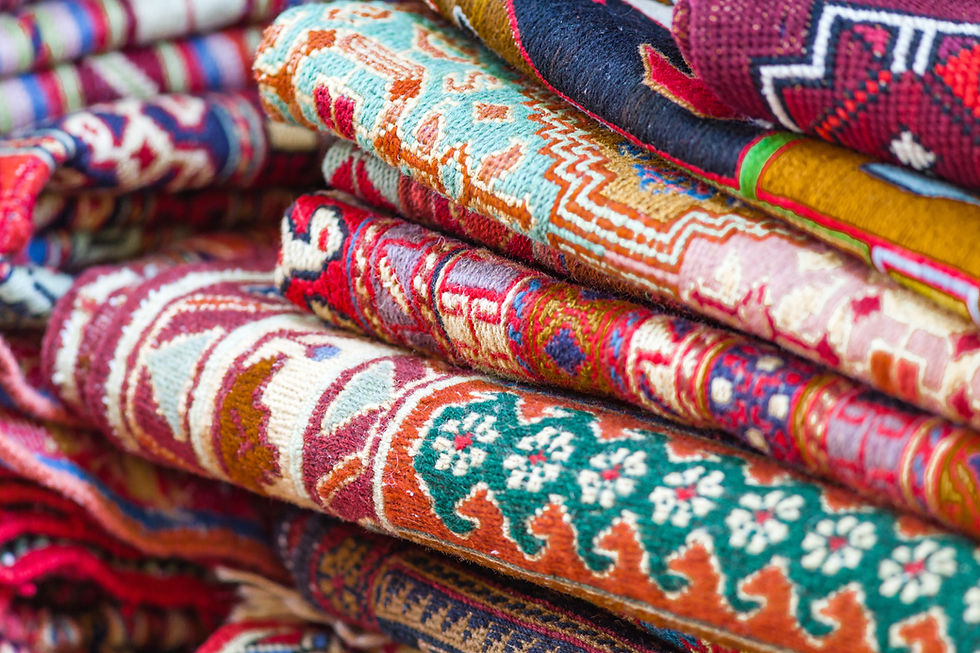
Designing and creating original fabric-based work using creative techniques, materials, and textile processes.
Art & Design (Three-dimesional Design)

Designing and making three-dimensional objects using a range of materials, tools, and creative techniques.
Biology

Understanding how living organisms work, from cells and enzymes to genetics, ecosystems, and human biology, using experiments and evidence.
Business Studies

Understanding how businesses operate, make decisions, and compete in a changing economic and global environment.
Chemistry

Understanding how substances are structured, how they react, and how to calculate and explain chemical changes using theory and experiments.
Classical Civilisation

Explores the literature, history, and culture of ancient Greece and Rome while developing strong skills in analysis, interpretation, and essay writing.
Computer Science

Learning how computers work and how to design, write, and analyse programs and algorithms to solve problems.

Drama & Theatre

Studying plays through both performance and analysis, combining acting, staging, and written evaluation of theatre.
Economics

Understanding how individuals, businesses, and governments make choices about money, resources, and the economy.
English Language & Literature

Studying how writers use language and literary techniques to create meaning across fiction, drama, poetry, and non-fiction texts.
English Literature

Understanding how stories, plays, and poems communicate ideas about life and society.
Environmental Science

Explores how natural systems work, how humans affect the environment, and how environmental problems can be managed and solved.
Film Studies

Considering A-Level Film Studies? This guide will help you figure out if studying cinema as an art form is right for you.
French

Developing the ability to understand, speak, read, and write French fluently while exploring French culture, society, and literature.
Further Mathematics

Studying advanced and challenging mathematics that goes beyond A-Level Maths, focusing on deep problem-solving and abstract thinking.
Geography

Understanding how the Earth’s physical processes and human activity shape places, environments, and the way people live.
German

Developing the ability to understand, speak, read, and write German fluently while exploring German-speaking culture and society.
History

Understanding how and why the past happened by analysing events, people, and sources and building written arguments.
Italian

Developing the ability to understand, speak, read, and write Italian fluently while exploring Italian culture, society, and literature.
Japanese

Considering A-Level Japanese? This guide will help you figure out if studying the language of anime, manga, and Japanese culture is right for you.
Latin

Reading and analysing Latin texts while learning the language and exploring Roman culture and history.

Mandarin Chinese

Developing the ability to understand, speak, read, and write Mandarin Chinese fluently while exploring Chinese culture and society.
Mathematics

Understanding how numbers, symbols, and graphs are used to solve problems and explain the world.
Media Studies

Studying how media is created, analysed, and used to communicate ideas and influence audiences.
Modern Foreign Language

Develops your ability to speak, understand, read, and write a foreign language fluently while exploring the culture, society, and history of countries where it is spoken.
Music

Develop your skills in performing, composing, and analysing music across different styles while building a deeper understanding of how music works.
Music Technology

Focuses on recording, producing, and creating music using professional software and studio techniques while studying how music is made and processed.
Philosophy

Exploring big questions about reality, knowledge, and morality through logic, arguments, and critical thinking.
Photography

Learning how to capture, edit, and present images creatively using cameras and digital techniques.
Physical Education

Combining practical sport performance with the study of the science, psychology, and social factors behind physical activity.
Physics

Understanding how the universe works, from forces and energy to particles, waves, and motion, using maths and experiments.
Politics

Understanding how power, government, and political ideas shape how countries are run and how decisions are made.

Religious Studies

Develops your understanding of religion, philosophy, and ethics while building strong skills in analysis, evaluation, and written argument.
Sociology

Understanding how society works and how social forces shape people’s lives, behaviour, and opportunities.
Spanish

Developing the ability to understand, speak, read, and write Spanish fluently while exploring Spanish-speaking culture and society.

Common A Level combinations
This A Level pairs well with:
Popular A Level combinations
History of Art + History + English Literature = Strong humanities portfolio
History of Art + Art & Design + English = Creative and analytical balance
History of Art + Classical Civ + a language = Excellent for studying art history at university