
Quick Summary
Heavy coursework – About 80% coursework portfolio, 20% written analysis
Range of 3D styles – Sculpture, ceramics, product design, architectural models, installation, jewellery, furniture
Practical & hands-on – You'll work with clay, wood, metal, plaster, found objects, and various materials
What's it actually like?

IN A NUTSHELL
A-Level 3D Design is almost entirely coursework-based. You'll develop portfolios exploring three-dimensional design through sculpture, ceramics, product design, architectural design, installation art, jewellery, furniture design, and other 3D forms.
You'll research designers, artists, and architects, experiment with different materials and construction methods, develop design solutions, and create final three-dimensional pieces. Projects are varied – you might create ceramic vessels, design furniture, build architectural models, make sculptures, or produce wearable pieces.
You'll typically complete a personal investigation (60% - exploring themes and developing 3D skills over time) and an externally set assignment (40% - responding to exam board starting points). Both require research, experimentation, prototyping, and final making.
It's about 80% practical making and 20% written analysis and annotation.
3D Design is broad – you can explore sculpture, product design, architecture, ceramics, or installation depending on your interests.

It can be physically demanding: Working with materials, using tools, constructing large pieces can be physically tiring. You need reasonable physical capability.
About the course
Is this for you?
A-Level 3D Design is a creative, practical subject focused on making objects and structures. You will work with materials such as wood, metal, clay, plaster, plastics, and card to create models, sculptures, and functional or decorative pieces.
You will explore a wide range of techniques such as carving, modelling, casting, constructing, and assembling. You will learn how to use tools safely and accurately and how to develop ideas from sketches and designs into finished 3D outcomes.
You will work on design projects based on themes or briefs. These involve researching ideas, experimenting with materials and processes, and refining your work before producing final pieces.
Assessment is mainly through coursework and a final exam project. Overall, 3D Design is about combining creativity, practical skills, and problem-solving to produce three-dimensional work.
Three-dimensional design is a good choice if you:
Love making things and working with your hands
Think in three dimensions and enjoy spatial problem-solving
Are interested in sculpture, product design, or architectural design
Enjoy experimenting with different materials and tools
Can work independently on long-term making projects
Are interested in how objects are designed, constructed, and used
Want to develop practical making skills alongside creativity
Can meet deadlines whilst managing substantial making projects
Making & constructing skills - Working with clay, wood, metal, plaster, card, plastics, and other materials using various tools and techniques.
3D thinking - Understanding form, structure, balance, proportion, and spatial relationships.
Problem solving - Working out how to construct things, solve structural challenges, and realize ideas physically.
Research & analysis - Studying sculptors, designers, and architects to inform your work.
Prototyping & refinement - Developing ideas through models, maquettes, and prototypes before final making.
Technical skills - Using tools safely and effectively – from pottery wheels to woodworking tools to welding equipment (depending on your school's facilities).
You need to buy some materials: While schools provide basic materials, you'll often need to purchase specialist materials for your projects (specific clays, woods, finishing materials, etc.).
Making takes time: 3D work is often time-intensive – constructing, assembling, drying (for clay), finishing. Physical making cannot be rushed.
Facilities vary by school: Access to kilns, woodworking equipment, metalworking tools, and workshop space varies hugely between schools. Check what your school has.
It's not just making: You'll research design history, analyse objects and spaces, understand contexts, and write about your process and influences.
Coursework pressure is constant: Unlike subjects with final exams, 3D Design is ongoing coursework throughout two years. Making takes time, so you need excellent time management.
Some universities don't rate it highly for academic purposes: Very competitive universities sometimes see Art & Design subjects as less rigorous than traditional academics. Combine with academic subjects to keep top university options open, if pursuing top tier unis or academic subjects.
You need creative independence and practical problem-solving: Teachers guide you, but YOU must generate ideas, solve construction problems, and develop your own design solutions.
3D Design + Design Technology + Physics = Making and engineering focus
3D Design + Art + Graphics = Broad creative design focus
3D Design + Maths + Physics = Structural and architectural interest
3D Design + English + History = Creative with humanities3D Design rewards experimentation, prototyping, and skilful making. Here's how to succeed:
Make lots of models and prototypes – Don't jump straight to final pieces. Create small models, test constructions, experiment with materials. Development work through making shows your thinking.
Document the making process – Photograph every stage – construction, assembly, finishing, problem-solving. Visual evidence of your making process is crucial for assessment.
Study designers, sculptors, and architects – Research historical and contemporary makers. Understand how artists like Barbara Hepworth, designers like Dieter Rams, or architects like Zaha Hadid approached form and space.
Master techniques thoroughly – Whether it's ceramics, woodwork, or metalwork, learn the techniques properly. Good craftsmanship shows in final outcomes and impresses examiners.
3D Design graduates can go on to work as:
Product designers
Furniture designers
Industrial designers
Sulptors
Ceramic artists
Jewellery designers
Set designers
Modelmakers
Interior designers
and in architecture and design consultancies.
Three-dimensional Design is valued by universities. Universities recognize the creativity, spatial thinking and practical skills it develops.
Three-dimensional Design A-Level opens doors to degrees in:
Product Design
Industrial Design
Interior Design
Furniture Design
Architecture
Theatre and Set Design
Sculpture
Top tip: A strong portfolio is essential for creative degrees - your 3D Design work should show how you develop ideas from concept through to finished pieces.
Ask yourself:
Do I enjoy making things and working in three dimensions?
Am I interested in sculpture, product design, or architecture?
Am I willing to learn practical making skills and use tools?
Can I work independently on long-term making projects?
Do I enjoy experimenting with materials and construction methods?
Can I handle constant coursework rather than final exams?
Am I prepared for the physical and time demands of making?
Practical skills valued: The ability to visualize in 3D, prototype ideas, and physically make things is valuable across many sectors.
Classical Civilisation

Explores the literature, history, and culture of ancient Greece and Rome while developing strong skills in analysis, interpretation, and essay writing.
Chemistry

Understanding how substances are structured, how they react, and how to calculate and explain chemical changes using theory and experiments.
Physical Education

Combining practical sport performance with the study of the science, psychology, and social factors behind physical activity.
Design & Technology

Combines designing products with making them to a high standard.
Modern Foreign Language

Develops your ability to speak, understand, read, and write a foreign language fluently while exploring the culture, society, and history of countries where it is spoken.
Music

Develop your skills in performing, composing, and analysing music across different styles while building a deeper understanding of how music works.
Art & Design (Textile Design)
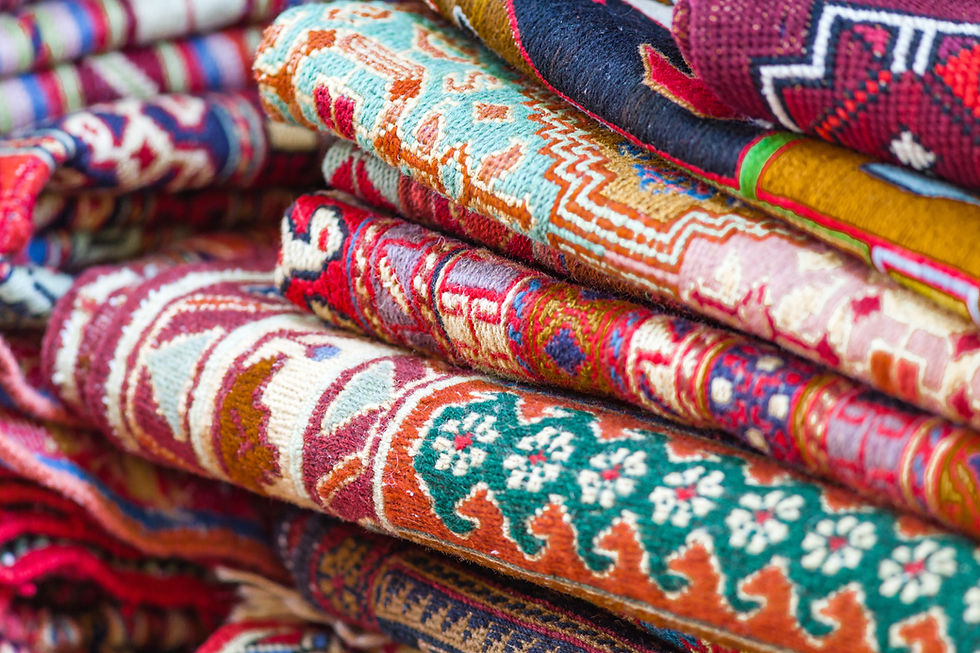
Designing and creating original fabric-based work using creative techniques, materials, and textile processes.
Italian

Developing the ability to understand, speak, read, and write Italian fluently while exploring Italian culture, society, and literature.
History of Art

An academic study of global visual culture. Learn to analyse paintings, sculptures, and architecture without needing any practical artistic skills.
English Language & Literature

Studying how writers use language and literary techniques to create meaning across fiction, drama, poetry, and non-fiction texts.